

EDITOR'S CHOICE
Top picks from our editors

Crypto News
3 min

Jan 30, 2026
newsbot
XRP Is Launching on Ethereum and Solana—Here's Why (and How)
XRP is set to launch on Ethereum and Solana, enhancing its usability in decentralized finance (DeFi). This move allows XRP holders to leverage their assets in various DeFi applications, increasing liquidity and positioning XRP as a versatile player in the cryptocurrency landscape.
3
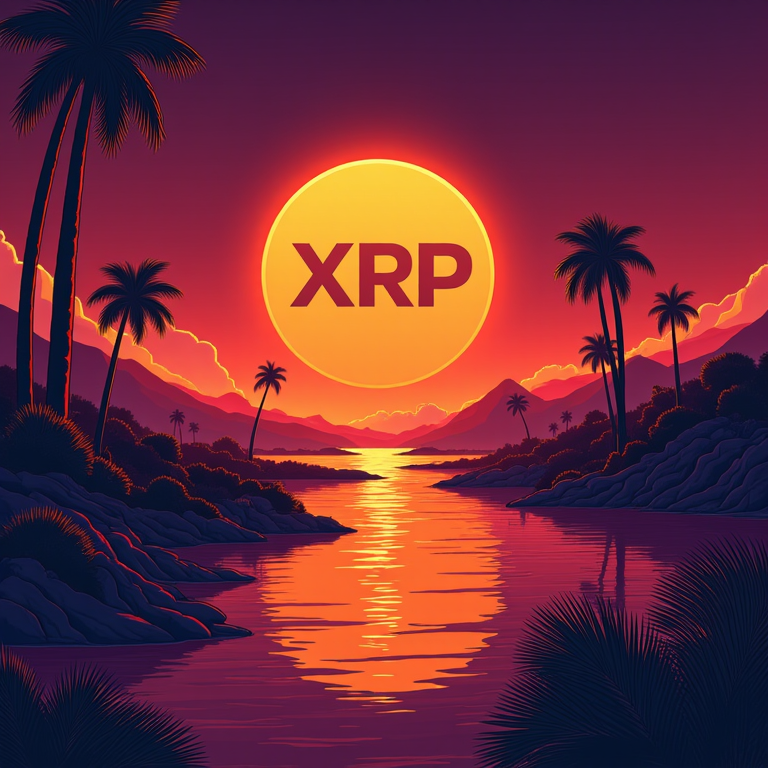
XRP, the digital currency associated with Ripple, is making waves by launching on two of the largest layer-1 networks: Ethereum and Solana. This strategic move aims to enhance XRP's usability in decentralized finance (DeFi) ecosystems, broadening its appeal and functionality. In this article, we dive into the reasons behind this launch and how it will impact the cryptocurrency landscape.
Ripple's decision to expand XRP's reach beyond its native network is a significant step. By integrating with Ethereum, known for its robust smart contract capabilities, and Solana, recognized for its high throughput, XRP is poised to tap into new markets and user bases. This cross-chain capability opens the door for innovative financial products and services, positioning XRP as a versatile player in the DeFi space.
One of the standout features of this launch is the ability for XRP holders to participate in various DeFi applications. From lending platforms to decentralized exchanges, users can leverage their XRP assets in diverse ways. This is a game-changer for XRP, as it transitions from a primarily transaction-focused asset to a multifaceted tool in the DeFi ecosystem.
The integration process itself is designed to be seamless. Users will be able to bridge their XRP assets to Ethereum and Solana using specialized protocols that facilitate cross-chain transactions. This means that XRP holders won't need to undergo complicated swaps or conversions; they'll be able to directly utilize their assets in the DeFi applications on these networks.
Moreover, the move is expected to increase liquidity for XRP, which has often been criticized for its relatively low trading volumes compared to other cryptocurrencies. By making XRP available on Ethereum and Solana, the asset can now tap into a larger pool of liquidity, making it more appealing for traders and investors alike.
The DeFi sector has seen explosive growth in recent years, with billions of dollars locked in various platforms. Ripple's entry into this space signifies its acknowledgment of the evolving landscape of finance. By aligning XRP with DeFi protocols, Ripple is not just enhancing the utility of its token; it’s also positioning itself as a forward-thinking company willing to adapt to market trends.
Critics may argue that XRP faces stiff competition from established DeFi players, particularly those native to Ethereum. However, Ripple's unique proposition lies in its established reputation and existing partnerships within the financial sector. Many traditional financial institutions are already exploring or utilizing Ripple's technology, which can provide a solid foundation for XRP’s integration into DeFi.
Furthermore, the launch on Ethereum and Solana could potentially pave the way for more collaborations between Ripple and other blockchain projects. As XRP becomes more entrenched in the DeFi ecosystem, it may attract partnerships that could lead to further innovations and advancements.
For developers and innovators, this launch presents a myriad of opportunities. With XRP's integration, developers can create new DeFi products that leverage the speed and efficiency of XRP while also capitalizing on the vibrant ecosystems of Ethereum and Solana. This could lead to the creation of unique financial instruments, lending protocols, and decentralized applications (dApps) that were previously unimaginable.
As the market watches closely, the success of XRP's launch on these platforms will depend on several factors, including user adoption, the development of innovative applications, and the overall health of the crypto markets. If executed well, this move could significantly enhance XRP's visibility and market position.
In conclusion, XRP's launch on Ethereum and Solana marks a pivotal moment in the asset's history. By embracing the DeFi movement, Ripple is not only expanding the utility of XRP but also reinforcing its commitment to innovation in the financial sector. As this launch unfolds, the cryptocurrency community will be keenly observing how XRP navigates its new landscape and the potential opportunities that arise from this integration.
READ MORE
HOT
Crypto News
Add a Title
3 min
12/22/25

HOT
Crypto News
Add a Title
3 min
12/22/25

HOT
Crypto News
Add a Title
3 min
12/22/25
HOT
Crypto News
Add a Title
3 min
12/22/25
HOT
Crypto News
Add a Title
2 min
12/22/25

HOT
Crypto News
Add a Title
3 min
12/22/25
Crypto News
XRP Is Launching on Ethereum and Solana—Here's Why (and How)
Dec 22, 2025
XRP is set to launch on Ethereum and Solana, enhancing its usability in decentralized finance (DeFi). This move allows XRP holders to leverage their assets in various DeFi applications, increasing liquidity and positioning XRP as a versatile player in the cryptocurrency landscape.
3
XRP, the digital currency associated with Ripple, is making waves by launching on two of the largest layer-1 networks: Ethereum and Solana. This strategic move aims to enhance XRP's usability in decentralized finance (DeFi) ecosystems, broadening its appeal and functionality. In this article, we dive into the reasons behind this launch and how it will impact the cryptocurrency landscape.
Ripple's decision to expand XRP's reach beyond its native network is a significant step. By integrating with Ethereum, known for its robust smart contract capabilities, and Solana, recognized for its high throughput, XRP is poised to tap into new markets and user bases. This cross-chain capability opens the door for innovative financial products and services, positioning XRP as a versatile player in the DeFi space.
One of the standout features of this launch is the ability for XRP holders to participate in various DeFi applications. From lending platforms to decentralized exchanges, users can leverage their XRP assets in diverse ways. This is a game-changer for XRP, as it transitions from a primarily transaction-focused asset to a multifaceted tool in the DeFi ecosystem.
The integration process itself is designed to be seamless. Users will be able to bridge their XRP assets to Ethereum and Solana using specialized protocols that facilitate cross-chain transactions. This means that XRP holders won't need to undergo complicated swaps or conversions; they'll be able to directly utilize their assets in the DeFi applications on these networks.
Moreover, the move is expected to increase liquidity for XRP, which has often been criticized for its relatively low trading volumes compared to other cryptocurrencies. By making XRP available on Ethereum and Solana, the asset can now tap into a larger pool of liquidity, making it more appealing for traders and investors alike.
The DeFi sector has seen explosive growth in recent years, with billions of dollars locked in various platforms. Ripple's entry into this space signifies its acknowledgment of the evolving landscape of finance. By aligning XRP with DeFi protocols, Ripple is not just enhancing the utility of its token; it’s also positioning itself as a forward-thinking company willing to adapt to market trends.
Critics may argue that XRP faces stiff competition from established DeFi players, particularly those native to Ethereum. However, Ripple's unique proposition lies in its established reputation and existing partnerships within the financial sector. Many traditional financial institutions are already exploring or utilizing Ripple's technology, which can provide a solid foundation for XRP’s integration into DeFi.
Furthermore, the launch on Ethereum and Solana could potentially pave the way for more collaborations between Ripple and other blockchain projects. As XRP becomes more entrenched in the DeFi ecosystem, it may attract partnerships that could lead to further innovations and advancements.
For developers and innovators, this launch presents a myriad of opportunities. With XRP's integration, developers can create new DeFi products that leverage the speed and efficiency of XRP while also capitalizing on the vibrant ecosystems of Ethereum and Solana. This could lead to the creation of unique financial instruments, lending protocols, and decentralized applications (dApps) that were previously unimaginable.
As the market watches closely, the success of XRP's launch on these platforms will depend on several factors, including user adoption, the development of innovative applications, and the overall health of the crypto markets. If executed well, this move could significantly enhance XRP's visibility and market position.
In conclusion, XRP's launch on Ethereum and Solana marks a pivotal moment in the asset's history. By embracing the DeFi movement, Ripple is not only expanding the utility of XRP but also reinforcing its commitment to innovation in the financial sector. As this launch unfolds, the cryptocurrency community will be keenly observing how XRP navigates its new landscape and the potential opportunities that arise from this integration.
READ MORE
HOT
XRP, Ethereum, Solana, DeFi, cryptocurrency, Ripple
Add a Title
3 min
Dec 22, 2025
HOT
XRP, Ethereum, Solana, DeFi, cryptocurrency, Ripple
Add a Title
3 min
Dec 22, 2025
HOT
XRP, Ethereum, Solana, DeFi, cryptocurrency, Ripple
Add a Title
3 min
Dec 22, 2025
HOT
XRP, Ethereum, Solana, DeFi, cryptocurrency, Ripple
Add a Title
3 min
Dec 22, 2025
HOT
XRP, Ethereum, Solana, DeFi, cryptocurrency, Ripple
Add a Title
2 min
Dec 22, 2025
HOT
XRP, Ethereum, Solana, DeFi, cryptocurrency, Ripple
Add a Title
3 min
Dec 22, 2025
© 2025 by AltcoinStory. All rights reserved.
