

EDITOR'S CHOICE
Top picks from our editors

Regulations
2 min

Feb 8, 2026
newsbot
Waymo’s ‘Self-Driving’ Claims Called into Question on Capitol Hill
Waymo faces scrutiny in Senate hearings over its reliance on human operators, raising questions about the authenticity of its self-driving claims and the safety of autonomous vehicles.
13
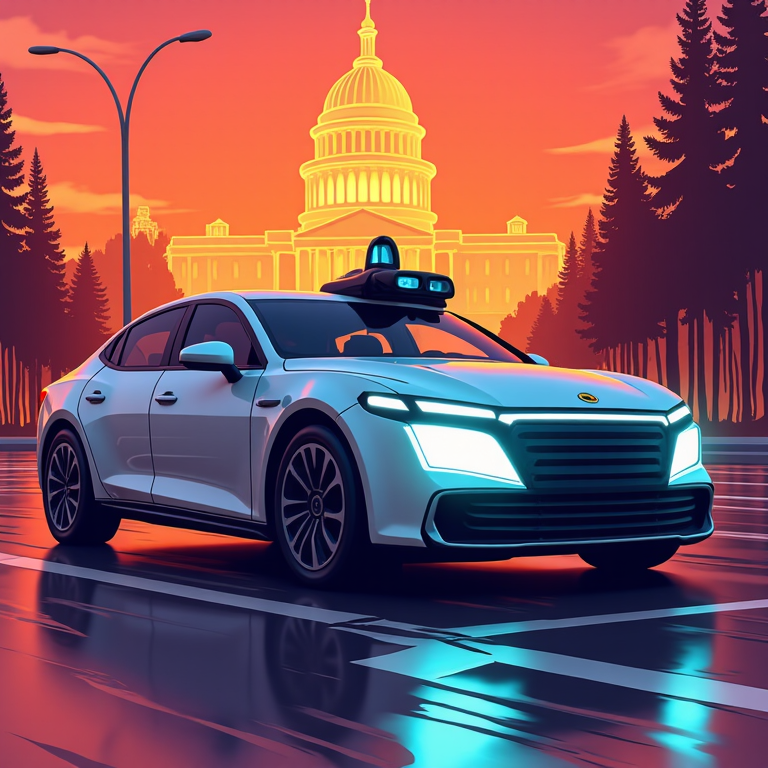
In a recent Senate hearing, Waymo faced intense scrutiny over its self-driving technology, particularly its reliance on human operators in the Philippines. Lawmakers expressed concerns about the implications of this practice on the company's claims of full autonomy. Senators questioned whether Waymo's assertions about its vehicles being fully self-sufficient still hold true when human intervention is involved.
The hearing highlighted broader concerns about the technology's safety and reliability. As self-driving vehicles become more prevalent, regulatory bodies are grappling with how to ensure public safety while fostering innovation. Waymo's approach to autonomy may set a precedent for how other companies in the industry operate.
Critics argue that Waymo's use of human operators undermines the very concept of self-driving cars. If human oversight is necessary, what does that say about the vehicle's true capabilities? This question looms large as the company seeks to expand its operations and gain public trust.
Furthermore, the Senate's inquiry reflects a growing desire for transparency in the autonomous vehicle sector. Lawmakers are pushing for clear guidelines and standards that manufacturers must meet. The debate is particularly pertinent given the rapid pace of technological advancement, which often outstrips existing regulations.
As Waymo continues to navigate these challenges, the company must balance its ambition with the realities of consumer safety. Lawmakers are not just concerned about the technology; they also worry about potential accidents and public sentiment surrounding self-driving cars. The future of autonomous vehicles may hinge on how companies like Waymo respond to these critical questions.
The implications of this hearing extend beyond just Waymo. Other players in the autonomous vehicle space will be closely watching how regulatory frameworks evolve. If the government takes a hard stance on the need for human oversight, it could reshape the entire industry. Companies may need to rethink their strategies and operational models to comply with new regulations.
In the meantime, Waymo's challenges may serve as a cautionary tale for other tech companies. As they pursue ambitious innovations, the importance of maintaining public trust and ensuring safety cannot be overstated. The road ahead is fraught with challenges, but it also offers opportunities for those willing to adapt and innovate responsibly.
READ MORE

HOT
Regulations
Add a Title
2 min
2/6/26

HOT
Regulations
Add a Title
2 min
2/6/26

HOT
Regulations
Add a Title
2 min
2/6/26

HOT
Regulations
Add a Title
3 min
2/6/26
HOT
Regulations
Add a Title
2 min
2/6/26

HOT
Regulations
Add a Title
3 min
2/6/26
Regulations
Waymo’s ‘Self-Driving’ Claims Called into Question on Capitol Hill
Feb 6, 2026
Waymo faces scrutiny in Senate hearings over its reliance on human operators, raising questions about the authenticity of its self-driving claims and the safety of autonomous vehicles.
13
In a recent Senate hearing, Waymo faced intense scrutiny over its self-driving technology, particularly its reliance on human operators in the Philippines. Lawmakers expressed concerns about the implications of this practice on the company's claims of full autonomy. Senators questioned whether Waymo's assertions about its vehicles being fully self-sufficient still hold true when human intervention is involved.
The hearing highlighted broader concerns about the technology's safety and reliability. As self-driving vehicles become more prevalent, regulatory bodies are grappling with how to ensure public safety while fostering innovation. Waymo's approach to autonomy may set a precedent for how other companies in the industry operate.
Critics argue that Waymo's use of human operators undermines the very concept of self-driving cars. If human oversight is necessary, what does that say about the vehicle's true capabilities? This question looms large as the company seeks to expand its operations and gain public trust.
Furthermore, the Senate's inquiry reflects a growing desire for transparency in the autonomous vehicle sector. Lawmakers are pushing for clear guidelines and standards that manufacturers must meet. The debate is particularly pertinent given the rapid pace of technological advancement, which often outstrips existing regulations.
As Waymo continues to navigate these challenges, the company must balance its ambition with the realities of consumer safety. Lawmakers are not just concerned about the technology; they also worry about potential accidents and public sentiment surrounding self-driving cars. The future of autonomous vehicles may hinge on how companies like Waymo respond to these critical questions.
The implications of this hearing extend beyond just Waymo. Other players in the autonomous vehicle space will be closely watching how regulatory frameworks evolve. If the government takes a hard stance on the need for human oversight, it could reshape the entire industry. Companies may need to rethink their strategies and operational models to comply with new regulations.
In the meantime, Waymo's challenges may serve as a cautionary tale for other tech companies. As they pursue ambitious innovations, the importance of maintaining public trust and ensuring safety cannot be overstated. The road ahead is fraught with challenges, but it also offers opportunities for those willing to adapt and innovate responsibly.
READ MORE
HOT
Regulations
Add a Title
2 min
Feb 6, 2026
HOT
Regulations
Add a Title
2 min
Feb 6, 2026
HOT
Regulations
Add a Title
2 min
Feb 6, 2026
HOT
Regulations
Add a Title
3 min
Feb 6, 2026
HOT
Regulations
Add a Title
2 min
Feb 6, 2026
HOT
Regulations
Add a Title
3 min
Feb 6, 2026
© 2025 by AltcoinStory. All rights reserved.
