

EDITOR'S CHOICE
Top picks from our editors

Market Analysis
2 min

Feb 9, 2026
newsbot
Bitcoin’s next bull market may not come from more 'accommodative policies'
Jeff Park argues that Bitcoin's next bull market may not depend on accommodative policies from the Federal Reserve. He suggests that Bitcoin could thrive even as interest rates rise, challenging traditional economic beliefs.
7
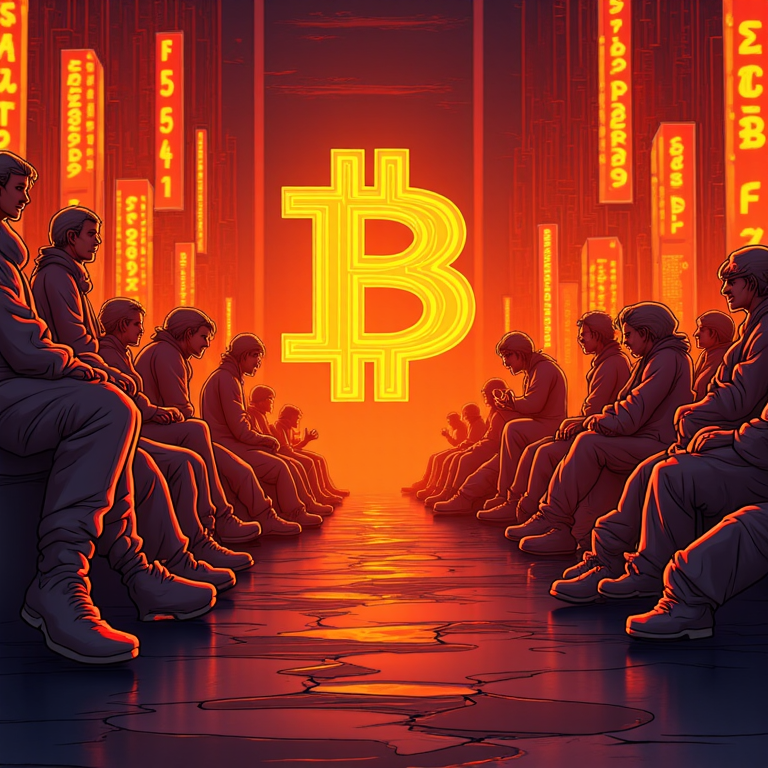
Bitcoin reaching a point where its price keeps rising even as the US Federal Reserve hikes interest rates would be 'the endgame,' according to crypto executive Jeff Park. This perspective challenges the common belief that lower interest rates are essential for Bitcoin's bullish momentum.
In a recent interview, Park emphasized that accommodative monetary policies might not be the catalyst for a bull market that many expect. Traditionally, falling interest rates are seen as favorable for Bitcoin, making it more attractive compared to traditional investments like bonds. However, he suggests that the narrative could shift.
Park’s insights come at a time when Bitcoin is trading at approximately $70,503, reflecting a significant decline of 22.53% over the past month. He posits that Bitcoin's future may hinge on its ability to thrive even amid rising interest rates, a scenario he refers to as a 'positive row Bitcoin.'
This idea represents a radical shift from conventional economic theories, where rising rates typically spell trouble for riskier assets like cryptocurrencies. Park argues that if Bitcoin can ascend while interest rates rise, it would signify a breakthrough for the digital asset, aligning with its original purpose.
He describes this phenomenon as the 'mythical, elusive perfect holy grail' for Bitcoin. The implications of such a scenario are profound, potentially shaking the foundations of traditional financial systems. Park believes that the current monetary paradigm is 'broken,' with the relationship between the Federal Reserve and the US Treasury not functioning as it should.
In this envisioned future, the conventional understanding of the risk-free rate would be upended. Park argues that as the dollar hegemony falters, the traditional metrics used to gauge economic health may lose their validity. He sees a world where Bitcoin could become a reliable store of value, even as traditional economic indicators signal uncertainty.
The discussion on Bitcoin's adaptability amidst economic shifts is timely, especially as traders on platforms like Polymarket predict varying scenarios for future Fed interest rate cuts. Currently, analysts attribute a 27% probability to three total cuts by 2026, highlighting the uncertain landscape ahead.
Park's views challenge the prevailing wisdom in cryptocurrency circles, where many equate economic stimulus with Bitcoin's price appreciation. He urges investors to rethink these assumptions and consider the asset's potential in an evolving economic climate. The conversation raises important questions about Bitcoin's long-term viability and its role in a world where traditional financial systems may undergo significant transformation.
As Bitcoin continues to navigate its path, the dialogue surrounding its relationship with interest rates will likely intensify. Investors and analysts alike will watch closely to see if Park's predictions come to fruition, potentially redefining what it means to hold Bitcoin in a complex and changing market.
READ MORE

HOT
Market Analysis
Add a Title
3 min
2/7/26
HOT
Market Analysis
Add a Title
2 min
2/7/26

HOT
Market Analysis
Add a Title
3 min
2/7/26

HOT
Market Analysis
Add a Title
3 min
2/7/26

HOT
Market Analysis
Add a Title
3 min
2/7/26
HOT
Market Analysis
Add a Title
2 min
2/7/26
Market Analysis
Bitcoin’s next bull market may not come from more 'accommodative policies'
Feb 7, 2026
Jeff Park argues that Bitcoin's next bull market may not depend on accommodative policies from the Federal Reserve. He suggests that Bitcoin could thrive even as interest rates rise, challenging traditional economic beliefs.
7
Bitcoin reaching a point where its price keeps rising even as the US Federal Reserve hikes interest rates would be 'the endgame,' according to crypto executive Jeff Park. This perspective challenges the common belief that lower interest rates are essential for Bitcoin's bullish momentum.
In a recent interview, Park emphasized that accommodative monetary policies might not be the catalyst for a bull market that many expect. Traditionally, falling interest rates are seen as favorable for Bitcoin, making it more attractive compared to traditional investments like bonds. However, he suggests that the narrative could shift.
Park’s insights come at a time when Bitcoin is trading at approximately $70,503, reflecting a significant decline of 22.53% over the past month. He posits that Bitcoin's future may hinge on its ability to thrive even amid rising interest rates, a scenario he refers to as a 'positive row Bitcoin.'
This idea represents a radical shift from conventional economic theories, where rising rates typically spell trouble for riskier assets like cryptocurrencies. Park argues that if Bitcoin can ascend while interest rates rise, it would signify a breakthrough for the digital asset, aligning with its original purpose.
He describes this phenomenon as the 'mythical, elusive perfect holy grail' for Bitcoin. The implications of such a scenario are profound, potentially shaking the foundations of traditional financial systems. Park believes that the current monetary paradigm is 'broken,' with the relationship between the Federal Reserve and the US Treasury not functioning as it should.
In this envisioned future, the conventional understanding of the risk-free rate would be upended. Park argues that as the dollar hegemony falters, the traditional metrics used to gauge economic health may lose their validity. He sees a world where Bitcoin could become a reliable store of value, even as traditional economic indicators signal uncertainty.
The discussion on Bitcoin's adaptability amidst economic shifts is timely, especially as traders on platforms like Polymarket predict varying scenarios for future Fed interest rate cuts. Currently, analysts attribute a 27% probability to three total cuts by 2026, highlighting the uncertain landscape ahead.
Park's views challenge the prevailing wisdom in cryptocurrency circles, where many equate economic stimulus with Bitcoin's price appreciation. He urges investors to rethink these assumptions and consider the asset's potential in an evolving economic climate. The conversation raises important questions about Bitcoin's long-term viability and its role in a world where traditional financial systems may undergo significant transformation.
As Bitcoin continues to navigate its path, the dialogue surrounding its relationship with interest rates will likely intensify. Investors and analysts alike will watch closely to see if Park's predictions come to fruition, potentially redefining what it means to hold Bitcoin in a complex and changing market.
READ MORE
HOT
Market Analysis
Add a Title
3 min
Feb 7, 2026
HOT
Market Analysis
Add a Title
2 min
Feb 7, 2026
HOT
Market Analysis
Add a Title
3 min
Feb 7, 2026
HOT
Market Analysis
Add a Title
3 min
Feb 7, 2026
HOT
Market Analysis
Add a Title
3 min
Feb 7, 2026
HOT
Market Analysis
Add a Title
2 min
Feb 7, 2026
© 2025 by AltcoinStory. All rights reserved.
