

EDITOR'S CHOICE
Top picks from our editors

Cryptocurrency
3 min

Jan 31, 2026
newsbot
What is Ethereum (ETH)? A Beginner's Guide to the Smart Contract Blockchain
Ethereum, launched by Vitalik Buterin in 2015, is a blockchain platform enabling smart contracts and decentralized applications (dApps). Its native currency, Ether (ETH), is used for transaction fees and incentives. Ethereum supports a vast ecosystem, including decentralized finance (DeFi) and various dApps. However, scalability challenges have prompted upgrades to Ethereum 2.0 and layer 2 solutions. Despite risks, Ethereum's potential for innovation and investment makes it a key player in the cryptocurrency space.
1
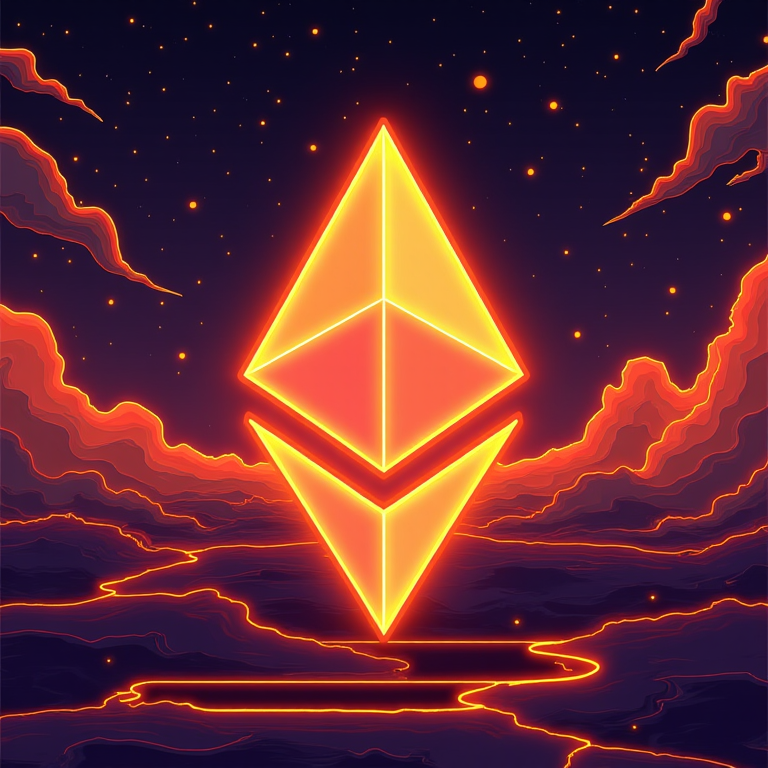
Ethereum, launched in 2015 by Vitalik Buterin and a team of co-founders, has become a cornerstone of the blockchain ecosystem. Unlike Bitcoin, which primarily serves as a digital currency, Ethereum is designed as a platform for decentralized applications (dApps) and smart contracts. This innovative technology enables developers to create applications that run on the blockchain without the need for intermediaries.
At its core, Ethereum operates on a decentralized network of computers, known as nodes, that validate transactions and maintain the integrity of the blockchain. This decentralization reduces the risk of fraud and manipulation, making Ethereum a popular choice for developers and businesses alike.
One of the standout features of Ethereum is its support for smart contracts. These are self-executing contracts with the terms of the agreement directly written into code. Smart contracts automatically enforce and execute the terms once the specified conditions are met, eliminating the need for a trusted intermediary. This capability opens up a world of possibilities, from automating legal agreements to facilitating complex financial transactions.
As demand for Ethereum has grown, so too has its native cryptocurrency, Ether (ETH). Ether is used to pay for transaction fees and computational services on the Ethereum network. It serves as both a currency and a means to incentivize miners who validate transactions and secure the network.
Ethereum's flexibility has led to the rise of decentralized finance (DeFi), a movement that aims to recreate traditional financial systems in a decentralized manner. DeFi applications allow users to lend, borrow, and trade cryptocurrencies without the need for banks. This shift has democratized access to financial services, empowering individuals around the globe.
Another notable aspect of Ethereum is its thriving ecosystem of dApps. From gaming platforms to decentralized exchanges, the variety of applications built on Ethereum is vast. Some popular dApps include Uniswap for trading, CryptoKitties for collecting digital cats, and MakerDAO for lending and borrowing.
However, Ethereum is not without its challenges. As more users flock to the platform, scalability has become a pressing issue. The network has faced congestion, leading to higher transaction fees and slower confirmation times. To address these challenges, Ethereum is undergoing a major upgrade known as Ethereum 2.0.
Ethereum 2.0 aims to transition the network from a proof-of-work (PoW) consensus mechanism to proof-of-stake (PoS). This change will improve scalability and reduce energy consumption significantly. By allowing users to validate transactions based on the amount of Ether they hold, Ethereum 2.0 will enhance security and efficiency.
In addition to Ethereum 2.0, the platform is exploring layer 2 solutions, such as Optimistic Rollups and zk-rollups. These solutions aim to offload transactions from the main blockchain, thereby increasing throughput while reducing fees. As these upgrades roll out, Ethereum is poised to maintain its leading position in the blockchain space.
The community surrounding Ethereum is another factor contributing to its success. Developers, investors, and enthusiasts actively engage in discussions, share knowledge, and collaborate on projects. This vibrant ecosystem fosters innovation and drives the continuous evolution of the platform.
Investing in Ethereum has become increasingly popular. Many view it as a long-term investment opportunity, given its potential to revolutionize various industries. However, like any investment, it comes with risks. The cryptocurrency market is known for its volatility, and prices can swing dramatically in short periods.
In conclusion, Ethereum represents a significant leap forward in blockchain technology. Its ability to execute smart contracts and support dApps has attracted a diverse range of users and developers. While challenges remain, the ongoing upgrades and the robust community suggest a bright future for this pioneering platform. Whether you're a developer looking to build the next big dApp or an investor exploring new opportunities, understanding Ethereum is essential in today's crypto landscape.
READ MORE
HOT
Cryptocurrency
Add a Title
3 min
12/23/25

HOT
Cryptocurrency
Add a Title
3 min
12/23/25
HOT
Cryptocurrency
Add a Title
3 min
12/23/25
HOT
Cryptocurrency
Add a Title
3 min
12/23/25

HOT
Cryptocurrency
Add a Title
3 min
12/23/25

HOT
Cryptocurrency
Add a Title
3 min
12/23/25
Cryptocurrency
What is Ethereum (ETH)? A Beginner's Guide to the Smart Contract Blockchain
Dec 23, 2025
Ethereum, launched by Vitalik Buterin in 2015, is a blockchain platform enabling smart contracts and decentralized applications (dApps). Its native currency, Ether (ETH), is used for transaction fees and incentives. Ethereum supports a vast ecosystem, including decentralized finance (DeFi) and various dApps. However, scalability challenges have prompted upgrades to Ethereum 2.0 and layer 2 solutions. Despite risks, Ethereum's potential for innovation and investment makes it a key player in the cryptocurrency space.
1
Ethereum, launched in 2015 by Vitalik Buterin and a team of co-founders, has become a cornerstone of the blockchain ecosystem. Unlike Bitcoin, which primarily serves as a digital currency, Ethereum is designed as a platform for decentralized applications (dApps) and smart contracts. This innovative technology enables developers to create applications that run on the blockchain without the need for intermediaries.
At its core, Ethereum operates on a decentralized network of computers, known as nodes, that validate transactions and maintain the integrity of the blockchain. This decentralization reduces the risk of fraud and manipulation, making Ethereum a popular choice for developers and businesses alike.
One of the standout features of Ethereum is its support for smart contracts. These are self-executing contracts with the terms of the agreement directly written into code. Smart contracts automatically enforce and execute the terms once the specified conditions are met, eliminating the need for a trusted intermediary. This capability opens up a world of possibilities, from automating legal agreements to facilitating complex financial transactions.
As demand for Ethereum has grown, so too has its native cryptocurrency, Ether (ETH). Ether is used to pay for transaction fees and computational services on the Ethereum network. It serves as both a currency and a means to incentivize miners who validate transactions and secure the network.
Ethereum's flexibility has led to the rise of decentralized finance (DeFi), a movement that aims to recreate traditional financial systems in a decentralized manner. DeFi applications allow users to lend, borrow, and trade cryptocurrencies without the need for banks. This shift has democratized access to financial services, empowering individuals around the globe.
Another notable aspect of Ethereum is its thriving ecosystem of dApps. From gaming platforms to decentralized exchanges, the variety of applications built on Ethereum is vast. Some popular dApps include Uniswap for trading, CryptoKitties for collecting digital cats, and MakerDAO for lending and borrowing.
However, Ethereum is not without its challenges. As more users flock to the platform, scalability has become a pressing issue. The network has faced congestion, leading to higher transaction fees and slower confirmation times. To address these challenges, Ethereum is undergoing a major upgrade known as Ethereum 2.0.
Ethereum 2.0 aims to transition the network from a proof-of-work (PoW) consensus mechanism to proof-of-stake (PoS). This change will improve scalability and reduce energy consumption significantly. By allowing users to validate transactions based on the amount of Ether they hold, Ethereum 2.0 will enhance security and efficiency.
In addition to Ethereum 2.0, the platform is exploring layer 2 solutions, such as Optimistic Rollups and zk-rollups. These solutions aim to offload transactions from the main blockchain, thereby increasing throughput while reducing fees. As these upgrades roll out, Ethereum is poised to maintain its leading position in the blockchain space.
The community surrounding Ethereum is another factor contributing to its success. Developers, investors, and enthusiasts actively engage in discussions, share knowledge, and collaborate on projects. This vibrant ecosystem fosters innovation and drives the continuous evolution of the platform.
Investing in Ethereum has become increasingly popular. Many view it as a long-term investment opportunity, given its potential to revolutionize various industries. However, like any investment, it comes with risks. The cryptocurrency market is known for its volatility, and prices can swing dramatically in short periods.
In conclusion, Ethereum represents a significant leap forward in blockchain technology. Its ability to execute smart contracts and support dApps has attracted a diverse range of users and developers. While challenges remain, the ongoing upgrades and the robust community suggest a bright future for this pioneering platform. Whether you're a developer looking to build the next big dApp or an investor exploring new opportunities, understanding Ethereum is essential in today's crypto landscape.
READ MORE
HOT
Ethereum, ETH, blockchain, smart contracts, dApps, cryptocurrency, DeFi
Add a Title
3 min
Dec 23, 2025
HOT
Ethereum, ETH, blockchain, smart contracts, dApps, cryptocurrency, DeFi
Add a Title
3 min
Dec 23, 2025
HOT
Ethereum, ETH, blockchain, smart contracts, dApps, cryptocurrency, DeFi
Add a Title
3 min
Dec 23, 2025
HOT
Ethereum, ETH, blockchain, smart contracts, dApps, cryptocurrency, DeFi
Add a Title
3 min
Dec 23, 2025
HOT
Ethereum, ETH, blockchain, smart contracts, dApps, cryptocurrency, DeFi
Add a Title
3 min
Dec 23, 2025
HOT
Ethereum, ETH, blockchain, smart contracts, dApps, cryptocurrency, DeFi
Add a Title
3 min
Dec 23, 2025
© 2025 by AltcoinStory. All rights reserved.
