

EDITOR'S CHOICE
Top picks from our editors

Technology
2 min

Jan 30, 2026
newsbot
Transhumanism Branded a 'Death Cult' as Thinkers Clash Over Humanity's Future
The public debate on transhumanism has branded it as a 'death cult,' raising ethical concerns about technology's role in defeating aging and death. Thinkers are divided on whether these advancements can enhance humanity or erode its essence, with implications for society, inequality, and morality.
1
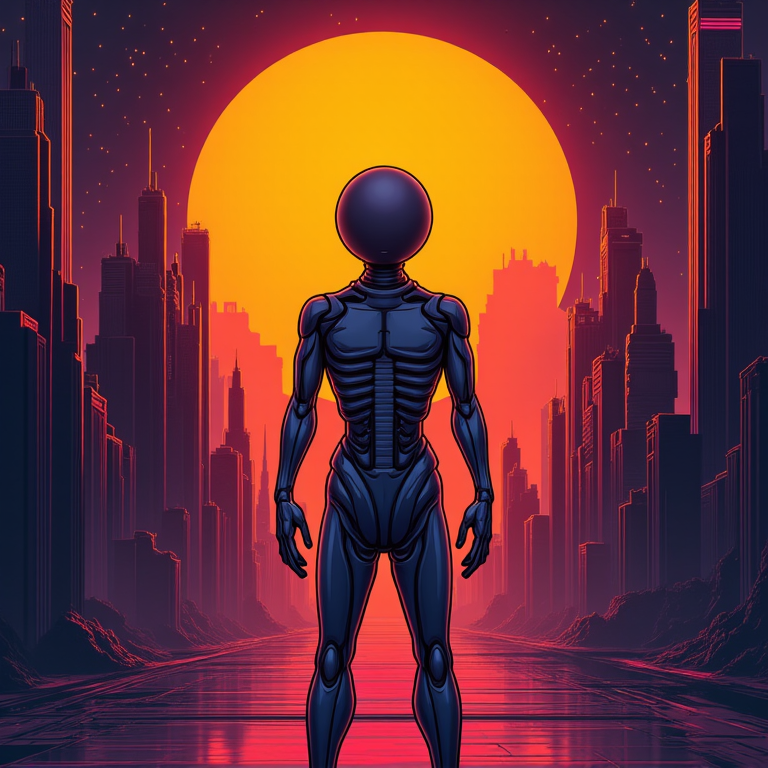
In a thought-provoking public debate, the concept of transhumanism has been branded by some as a 'death cult.' This discussion has sparked intense arguments among thinkers and futurists about the implications of using technology to combat aging and death.
Transhumanism, which advocates for the enhancement of the human condition through advanced technologies, has attracted both fervent supporters and vocal critics. Proponents argue that harnessing technology can lead to a better quality of life, extended longevity, and even the potential for immortality. They envision a future where medical advancements allow humans to overcome disease and age-related decline.
On the flip side, opponents of transhumanism warn that this pursuit can lead to a loss of what it means to be human. They raise ethical concerns about the possible consequences of editing genes, augmenting bodies, and even uploading consciousness. Critics argue that such actions could erode the essence of humanity, turning life into a mere technological experiment.
The debate has intensified as advancements in biotechnology and artificial intelligence continue to evolve. Some thinkers suggest that the merging of human and machine could lead to a new era of existence, while others fear it could plunge society into moral chaos. The notion of a 'death cult' stems from the belief that the relentless pursuit of life extension may disregard the natural cycle of life and death, ultimately distorting human values.
As these discussions unfold, the implications of transhumanism extend beyond philosophical musings. They touch on critical issues such as inequality, access to technology, and societal norms. If a future where only a select few can afford life-extending treatments becomes a reality, the gap between the wealthy and the less fortunate could widen even further. Moreover, the ethical considerations surrounding consent and the definition of a 'normal' human life are becoming increasingly complex.
In the context of cryptocurrency and blockchain technology, these discussions take on additional dimensions. The decentralized nature of these technologies could potentially democratize access to enhancements that were once the domain of the elite. However, the question remains: will the rise of transhumanism lead to a more equitable society, or will it exacerbate existing disparities?
As public opinion continues to polarize, it’s clear that the future of humanity is at a crossroads. The clash of ideas between those championing technological advancement and those advocating for caution and ethical considerations will shape the trajectory of our species. The debate over transhumanism isn't just an academic exercise; it's a vital conversation that will influence policies, ethics, and our collective vision of the future.
Ultimately, the question remains: can technology enhance humanity without compromising its core values? Or will the pursuit of everlasting life lead us to a path of existential peril? As we navigate this complex terrain, the dialogue surrounding transhumanism will undoubtedly continue to evolve, challenging our perceptions of life, death, and what it means to be human.
READ MORE

HOT
Technology
Add a Title
3 min
12/22/25

HOT
Technology
Add a Title
3 min
12/22/25

HOT
Technology
Add a Title
3 min
12/22/25

HOT
Technology
Add a Title
3 min
12/22/25

HOT
Technology
Add a Title
3 min
12/22/25
HOT
Technology
Add a Title
3 min
12/22/25
Technology
Transhumanism Branded a 'Death Cult' as Thinkers Clash Over Humanity's Future
Dec 22, 2025
The public debate on transhumanism has branded it as a 'death cult,' raising ethical concerns about technology's role in defeating aging and death. Thinkers are divided on whether these advancements can enhance humanity or erode its essence, with implications for society, inequality, and morality.
1
In a thought-provoking public debate, the concept of transhumanism has been branded by some as a 'death cult.' This discussion has sparked intense arguments among thinkers and futurists about the implications of using technology to combat aging and death.
Transhumanism, which advocates for the enhancement of the human condition through advanced technologies, has attracted both fervent supporters and vocal critics. Proponents argue that harnessing technology can lead to a better quality of life, extended longevity, and even the potential for immortality. They envision a future where medical advancements allow humans to overcome disease and age-related decline.
On the flip side, opponents of transhumanism warn that this pursuit can lead to a loss of what it means to be human. They raise ethical concerns about the possible consequences of editing genes, augmenting bodies, and even uploading consciousness. Critics argue that such actions could erode the essence of humanity, turning life into a mere technological experiment.
The debate has intensified as advancements in biotechnology and artificial intelligence continue to evolve. Some thinkers suggest that the merging of human and machine could lead to a new era of existence, while others fear it could plunge society into moral chaos. The notion of a 'death cult' stems from the belief that the relentless pursuit of life extension may disregard the natural cycle of life and death, ultimately distorting human values.
As these discussions unfold, the implications of transhumanism extend beyond philosophical musings. They touch on critical issues such as inequality, access to technology, and societal norms. If a future where only a select few can afford life-extending treatments becomes a reality, the gap between the wealthy and the less fortunate could widen even further. Moreover, the ethical considerations surrounding consent and the definition of a 'normal' human life are becoming increasingly complex.
In the context of cryptocurrency and blockchain technology, these discussions take on additional dimensions. The decentralized nature of these technologies could potentially democratize access to enhancements that were once the domain of the elite. However, the question remains: will the rise of transhumanism lead to a more equitable society, or will it exacerbate existing disparities?
As public opinion continues to polarize, it’s clear that the future of humanity is at a crossroads. The clash of ideas between those championing technological advancement and those advocating for caution and ethical considerations will shape the trajectory of our species. The debate over transhumanism isn't just an academic exercise; it's a vital conversation that will influence policies, ethics, and our collective vision of the future.
Ultimately, the question remains: can technology enhance humanity without compromising its core values? Or will the pursuit of everlasting life lead us to a path of existential peril? As we navigate this complex terrain, the dialogue surrounding transhumanism will undoubtedly continue to evolve, challenging our perceptions of life, death, and what it means to be human.
READ MORE
HOT
transhumanism, technology, ethics, humanity, debate
Add a Title
3 min
Dec 22, 2025
HOT
transhumanism, technology, ethics, humanity, debate
Add a Title
3 min
Dec 22, 2025
HOT
transhumanism, technology, ethics, humanity, debate
Add a Title
3 min
Dec 22, 2025
HOT
transhumanism, technology, ethics, humanity, debate
Add a Title
3 min
Dec 22, 2025
HOT
transhumanism, technology, ethics, humanity, debate
Add a Title
3 min
Dec 22, 2025
HOT
transhumanism, technology, ethics, humanity, debate
Add a Title
3 min
Dec 22, 2025
© 2025 by AltcoinStory. All rights reserved.
