

EDITOR'S CHOICE
Top picks from our editors

Legal News
3 min

Jan 29, 2026
newsbot
Morning Minute: Do Kwon Gets 15 Years for $40B Terra Luna Fraud
Do Kwon, co-founder of Terraform Labs, has been sentenced to 15 years in prison for his role in the $40 billion Terra Luna fraud. This sentencing is a crucial step in restoring investor confidence in the cryptocurrency market, which suffered greatly from the collapse of the Terra ecosystem in 2022. The case highlights the need for greater accountability and regulatory scrutiny in the crypto space, as well as the importance of investor education. The future of cryptocurrency regulation remains uncertain, but the lessons learned from this scandal will likely shape policies for years to come.
1
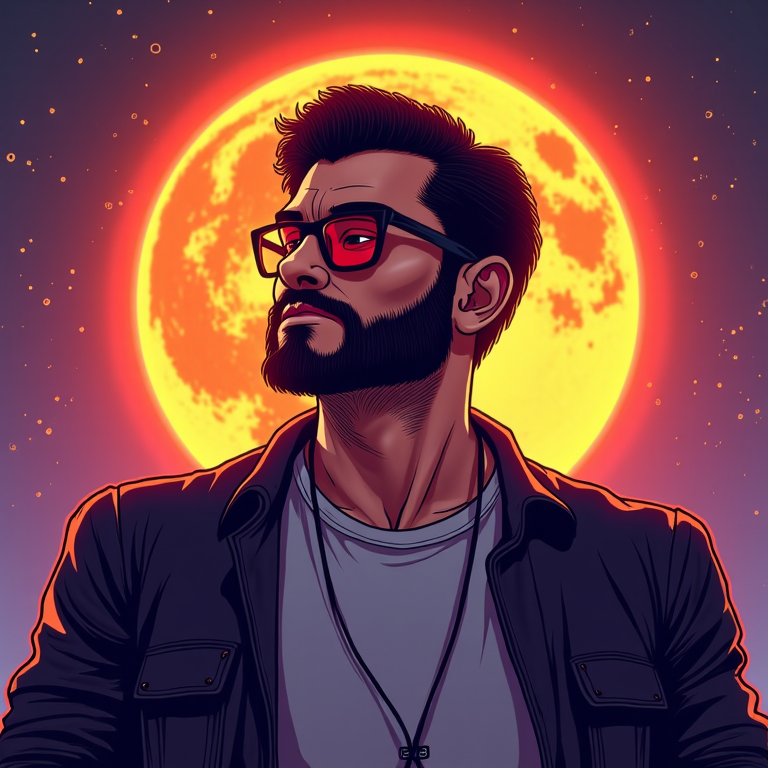
In a significant turn of events for the cryptocurrency community, Do Kwon, the co-founder of Terraform Labs, has been sentenced to 15 years in prison for his role in the $40 billion Terra Luna fraud. This sentencing brings a measure of justice to the thousands of investors who lost their life savings when the Terra ecosystem collapsed in May 2022. The fallout from this disaster was felt across the entire crypto market, leading to a broader crisis of confidence, regulatory scrutiny, and a significant downturn in digital asset prices.
Kwon's fraudulent actions revolved around the now-defunct Terra blockchain and its associated stablecoin, UST. Investors were led to believe that UST was a stable and secure asset, but the reality was far different. The collapse of UST triggered a chain reaction that ultimately brought down Terra Luna, resulting in massive financial losses and a loss of trust in the crypto space.
The decision to impose a lengthy prison sentence on Kwon is seen as a critical step in restoring faith in the cryptocurrency industry. Many believe that holding high-profile figures accountable for their actions will deter future fraud and mismanagement in this rapidly evolving sector. Moreover, it sends a clear message to investors that regulatory bodies are taking crypto fraud seriously.
Following the collapse, regulators worldwide have ramped up scrutiny of cryptocurrency projects, emphasizing the need for transparency and accountability. This incident has fueled calls for stricter regulations to protect investors and ensure that such large-scale fraud does not occur again.
While Kwon’s case is a singular event, it represents a broader trend within the cryptocurrency ecosystem. The fallout has led to an ongoing debate about the security and stability of cryptocurrencies, especially algorithmic stablecoins, which are often viewed as risky and unregulated. Many investors are now more cautious, seeking safer investment options and demanding more robust regulatory frameworks.
As the dust settles from the Terra Luna scandal, the cryptocurrency market continues to face challenges. Bitcoin, Ethereum, and other major cryptocurrencies have experienced significant price fluctuations, reflecting the uncertainty in the market. Investors are on edge, watching the developments closely as they navigate this volatile landscape.
In the wake of Kwon's sentencing, many are left wondering what this means for the future of cryptocurrency regulation. Advocates argue for clearer guidelines that would help foster innovation while protecting investors. Critics, however, caution that overregulation could stifle the very innovation that has made the crypto space so exciting.
The Terra scandal has also underscored the importance of investor education. Many individuals who lost money in the collapse were not fully aware of the risks associated with investing in cryptocurrencies. It highlights the need for better resources and guidance for those entering the market, especially as new projects continue to emerge.
As we move forward, the balance between innovation and regulation will be critical. The cryptocurrency landscape is evolving, and the lessons learned from the Terra Luna debacle will likely shape policies for years to come. Investors and regulatory bodies alike must remain vigilant to ensure that the market can grow responsibly and sustainably.
In the meantime, the market continues to react to the news. Prices of major cryptocurrencies have seen some fluctuations, reflecting overall market sentiment. Investors are weighing the implications of Kwon's sentencing while also keeping an eye on broader economic factors that could influence crypto prices.
In conclusion, the sentencing of Do Kwon marks a pivotal moment in the history of cryptocurrency. While it may not undo the damage caused by the Terra Luna collapse, it serves as a reminder of the importance of accountability in the industry. As the crypto community grapples with the aftermath, the focus will undoubtedly shift towards building a more secure and trustworthy environment for investors. The road ahead may be challenging, but it also offers opportunities for growth and improvement within the sector.
READ MORE

HOT
Legal News
Add a Title
2 min
12/19/25
HOT
Legal News
Add a Title
2 min
12/19/25
HOT
Legal News
Add a Title
2 min
12/19/25

HOT
Legal News
Add a Title
3 min
12/19/25
HOT
Legal News
Add a Title
3 min
12/19/25

HOT
Legal News
Add a Title
3 min
12/19/25
Legal News
Morning Minute: Do Kwon Gets 15 Years for $40B Terra Luna Fraud
Dec 19, 2025
Do Kwon, co-founder of Terraform Labs, has been sentenced to 15 years in prison for his role in the $40 billion Terra Luna fraud. This sentencing is a crucial step in restoring investor confidence in the cryptocurrency market, which suffered greatly from the collapse of the Terra ecosystem in 2022. The case highlights the need for greater accountability and regulatory scrutiny in the crypto space, as well as the importance of investor education. The future of cryptocurrency regulation remains uncertain, but the lessons learned from this scandal will likely shape policies for years to come.
1
In a significant turn of events for the cryptocurrency community, Do Kwon, the co-founder of Terraform Labs, has been sentenced to 15 years in prison for his role in the $40 billion Terra Luna fraud. This sentencing brings a measure of justice to the thousands of investors who lost their life savings when the Terra ecosystem collapsed in May 2022. The fallout from this disaster was felt across the entire crypto market, leading to a broader crisis of confidence, regulatory scrutiny, and a significant downturn in digital asset prices.
Kwon's fraudulent actions revolved around the now-defunct Terra blockchain and its associated stablecoin, UST. Investors were led to believe that UST was a stable and secure asset, but the reality was far different. The collapse of UST triggered a chain reaction that ultimately brought down Terra Luna, resulting in massive financial losses and a loss of trust in the crypto space.
The decision to impose a lengthy prison sentence on Kwon is seen as a critical step in restoring faith in the cryptocurrency industry. Many believe that holding high-profile figures accountable for their actions will deter future fraud and mismanagement in this rapidly evolving sector. Moreover, it sends a clear message to investors that regulatory bodies are taking crypto fraud seriously.
Following the collapse, regulators worldwide have ramped up scrutiny of cryptocurrency projects, emphasizing the need for transparency and accountability. This incident has fueled calls for stricter regulations to protect investors and ensure that such large-scale fraud does not occur again.
While Kwon’s case is a singular event, it represents a broader trend within the cryptocurrency ecosystem. The fallout has led to an ongoing debate about the security and stability of cryptocurrencies, especially algorithmic stablecoins, which are often viewed as risky and unregulated. Many investors are now more cautious, seeking safer investment options and demanding more robust regulatory frameworks.
As the dust settles from the Terra Luna scandal, the cryptocurrency market continues to face challenges. Bitcoin, Ethereum, and other major cryptocurrencies have experienced significant price fluctuations, reflecting the uncertainty in the market. Investors are on edge, watching the developments closely as they navigate this volatile landscape.
In the wake of Kwon's sentencing, many are left wondering what this means for the future of cryptocurrency regulation. Advocates argue for clearer guidelines that would help foster innovation while protecting investors. Critics, however, caution that overregulation could stifle the very innovation that has made the crypto space so exciting.
The Terra scandal has also underscored the importance of investor education. Many individuals who lost money in the collapse were not fully aware of the risks associated with investing in cryptocurrencies. It highlights the need for better resources and guidance for those entering the market, especially as new projects continue to emerge.
As we move forward, the balance between innovation and regulation will be critical. The cryptocurrency landscape is evolving, and the lessons learned from the Terra Luna debacle will likely shape policies for years to come. Investors and regulatory bodies alike must remain vigilant to ensure that the market can grow responsibly and sustainably.
In the meantime, the market continues to react to the news. Prices of major cryptocurrencies have seen some fluctuations, reflecting overall market sentiment. Investors are weighing the implications of Kwon's sentencing while also keeping an eye on broader economic factors that could influence crypto prices.
In conclusion, the sentencing of Do Kwon marks a pivotal moment in the history of cryptocurrency. While it may not undo the damage caused by the Terra Luna collapse, it serves as a reminder of the importance of accountability in the industry. As the crypto community grapples with the aftermath, the focus will undoubtedly shift towards building a more secure and trustworthy environment for investors. The road ahead may be challenging, but it also offers opportunities for growth and improvement within the sector.
READ MORE
HOT
Do Kwon, Terra Luna, cryptocurrency, fraud, regulation, investor education, UST
Add a Title
2 min
Dec 19, 2025
HOT
Do Kwon, Terra Luna, cryptocurrency, fraud, regulation, investor education, UST
Add a Title
2 min
Dec 19, 2025
HOT
Do Kwon, Terra Luna, cryptocurrency, fraud, regulation, investor education, UST
Add a Title
2 min
Dec 19, 2025
HOT
Do Kwon, Terra Luna, cryptocurrency, fraud, regulation, investor education, UST
Add a Title
3 min
Dec 19, 2025
HOT
Do Kwon, Terra Luna, cryptocurrency, fraud, regulation, investor education, UST
Add a Title
3 min
Dec 19, 2025
HOT
Do Kwon, Terra Luna, cryptocurrency, fraud, regulation, investor education, UST
Add a Title
3 min
Dec 19, 2025
© 2025 by AltcoinStory. All rights reserved.
